Posts

Showing posts with the label Semiconductors

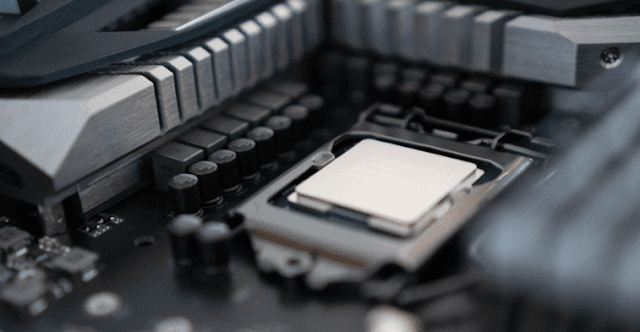
Semiconductor Memory Is Mainly Used for Storing Digital Data like Computer Memory.
Image
Semiconductor memory is a type of digital electronic device that stores digital data. It usually refers to MOS (metal-oxide-semiconductor) memory, where data is stored in a silicon integrated circuit memory chip. Metal-oxide-semiconductor resistive memory is the most common form of semiconductor storage. Read on to learn more about MOS and its applications. Here are some of the most common types of semiconductor memory . ROM is a type of semiconductor memory. ROM is a form of memory that is commonly used to store programs that must survive even when the computer is shut down. This type of memory is not easily changed and may require special equipment. To change the data stored in a ROM, a user must write it with special hardware. If users are considering using this type of memory for the next application, they should read about the advantages and disadvantages of each type. The benefits of semiconductor memory for mobile devices are well-documented. The comparatively faster access tim...

Supercapacitor: Energy Storage Device that Acts as a Bridge between Capacitors and Rechargeable Batteries

Image
A supercapacitor (SC), also known as an ultracapacitor, is an electrochemical energy storage device that stores and releases energy by reversible desorption and adsorption of ions at the interfaces between electrolytes and electrode materials. It is a high-capacity capacitor whose capacitance value is much higher than that of other capacitors, but with a lower voltage limit, which bridges the gap between rechargeable batteries and electrolytic capacitors. Supercapacitors can store 10 to 100 times more energy per unit volume than electrolytic capacitors. The supercapacitor is used in applications that require many rapid charge and discharge cycles. These applications include cars, trains, buses, elevators, and cranes, where it can be used for short-term energy storage, regenerative braking, and burst-mode power delivery. Batteries offer an improved energy density and have a higher breakdown voltage, while supercapacitors are lighter, possess a longer life expectancy, have more robus...