The Science Behind Humic Acid: Understanding Its Role In Soil Chemistry
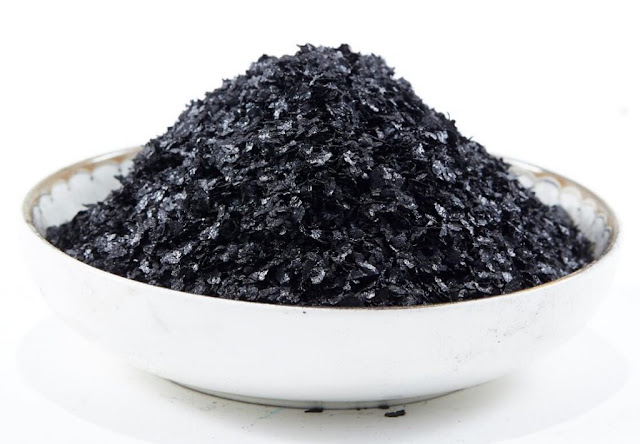
Humic Acid Humic acid, a crucial component of soil organic matter, plays a fundamental role in soil chemistry and nutrient cycling. Derived from the decomposition of organic materials, humic acid is a complex mixture of organic molecules with unique chemical properties. Its presence in the soil has profound implications for soil fertility, nutrient availability, and plant growth. Humic acid acts as a powerful chelating agent, forming stable complexes with essential nutrients such as iron, manganese, and zinc. These complexes prevent nutrient leaching and make them more readily available to plants, ensuring optimal nutrient uptake. Furthermore, Humic Acid promotes the cation exchange capacity (CEC) of the soil, enhancing its ability to retain and exchange nutrients. One of the remarkable characteristics of humic acid is its ability to improve soil structure. It acts as a binding agent, promoting the formation of stable aggregates that improve soil porosity, water infiltration, ...

